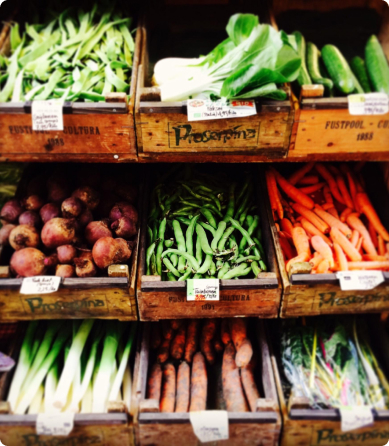
Farm-to-Table Catering: Embracing Local and Sustainable Ingredients
In recent years, there has been a growing trend towards farm-to-table catering, a movement that emphasizes sourcing ingredients locally and sustainably. This culinary philosophy not only supports local farmers and businesses but also promotes environmental sustainability and ensures the freshest, highest quality ingredients for your meals. Here, we delve into the world of farm-to-table catering, exploring its benefits, principles, and how you can embrace this approach for your next event.
-
The Principles of Farm-to-Table Catering
At the heart of farm-to-table catering lies a commitment to sourcing ingredients directly from local farms and producers. This means building relationships with farmers, growers, and artisans within your community to secure fresh, seasonal ingredients for your menus. By bypassing traditional supply chains and middlemen, farm-to-table caterers can ensure the quality and integrity of their ingredients while supporting the local economy.
-
The Benefits of Farm-to-Table Cateringk
There are numerous benefits to embracing farm-to-table catering for your events. Firstly, by sourcing ingredients locally, you can reduce your carbon footprint by minimizing the distance food travels from farm to table. This not only helps to mitigate environmental impact but also ensures that your meals are fresher, tastier, and more nutritious. Additionally, supporting local farmers and producers fosters a sense of community and strengthens local food systems. By investing in the success of small-scale, sustainable agriculture, you are contributing to the preservation of farmland, biodiversity, and traditional farming practices.
-
Tips for Embracing Farm-to-Table Catering
If you're interested in incorporating farm-to-table principles into your catering approach, here are some tips to help you get started:
-
1. Know Your Sources
Take the time to research and build relationships with local farmers, ranchers, and food producers in your area. Visit farmers' markets, attend farm tours, and engage with the agricultural community to identify potential suppliers.
-
2. Seasonal Menu Planning
Embrace the seasons and design your menus around the availability of local, seasonal ingredients. Be flexible and creative with your recipes, adapting them to showcase the best that each season has to offer.
-
3. Support Sustainable Practices
Look for suppliers who prioritize sustainable farming methods, such as organic farming, regenerative agriculture, and pasture-raised livestock. By supporting sustainable practices, you can ensure the long-term health of the land and promote ethical treatment of animals.
-
4. Reduce Food Waste
Minimize food waste by planning your menus carefully, utilizing whole ingredients, and repurposing leftovers whenever possible. Consider composting organic waste to return nutrients to the soil and support local agriculture.
-
5. Educate Your Guests
Take the opportunity to educate your guests about the benefits of farm-to-table catering and the importance of supporting local food systems. Share information about the farms and producers behind your ingredients, highlighting their stories and contributions to sustainable agriculture.
-
Conclusion
Farm-to-table catering offers a holistic approach to food service that celebrates local flavors, supports sustainable agriculture, and fosters community connections. By embracing this culinary philosophy, you can create memorable dining experiences that not only delight the palate but also promote environmental stewardship and social responsibility. So, whether you're planning a wedding, corporate event, or intimate gathering, consider embracing farm-to-table catering for a truly sustainable and delicious dining experience.